









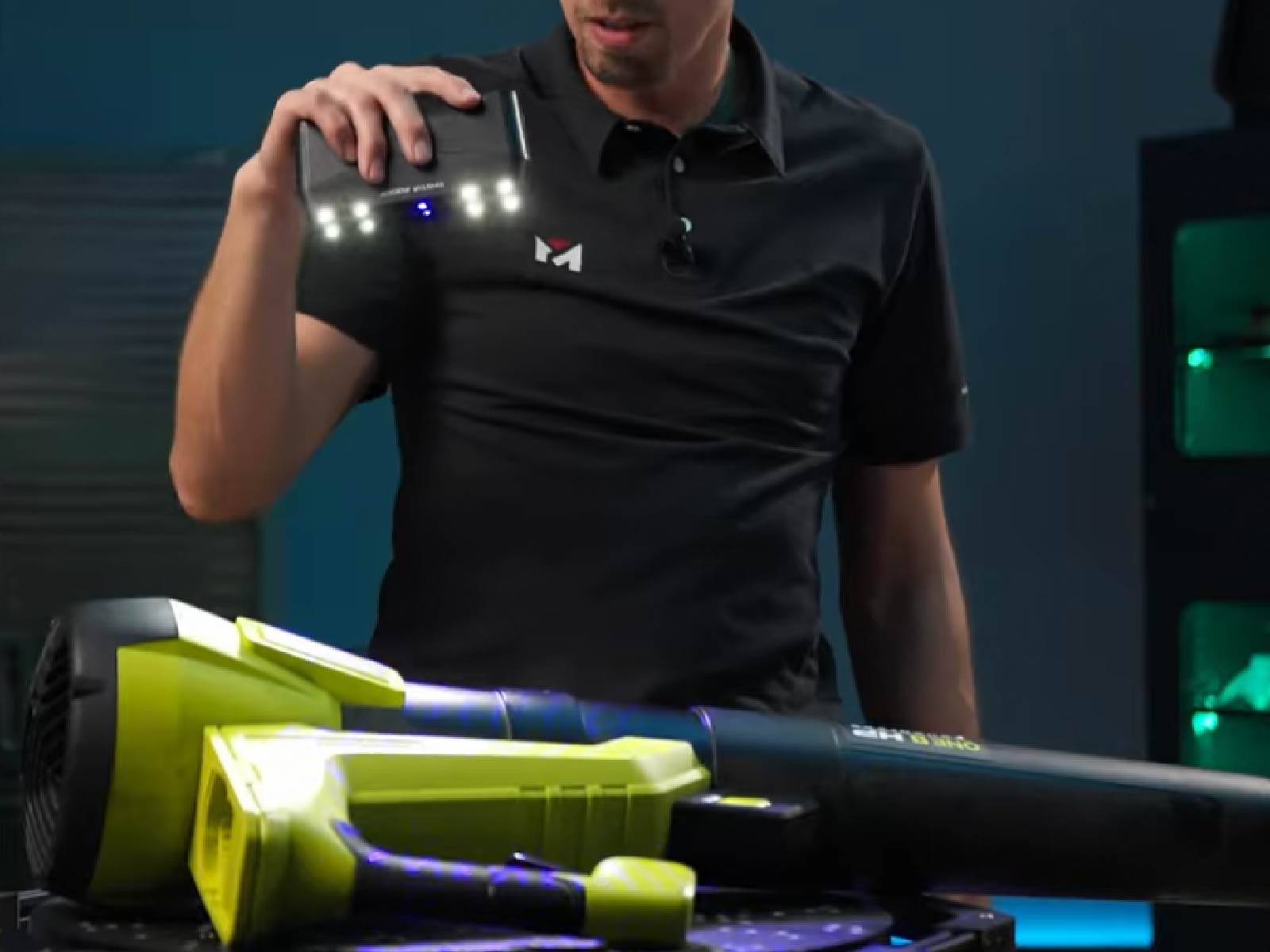
For decades, the standard for high-quality 3D scanning process has been a fixed workbench setup. But is it still necessary?
For decades, the standard for high-quality 3D scanning process has been a fixed, tripod-mounted or turntable-based workbench. But with the rise of handheld 3D scanners, professionals and hobbyists are asking: Can a portable device truly replace the old, stable workbench?
The short answer is yes—for most applications. But like any tool, each has its own sweet spot. Below, we break down the pros and cons of both systems, and when a handheld scanner is not just an alternative, but a clear upgrade.

The Traditional Fixed Workbench – Pros & Cons
A fixed workbench (often using a turntable and a mounted scanner) has been the gold standard for scanning small, static objects.
Advantages:
- High stability: No motion blur; ideal for capturing fine details on small parts (e.g., coins, dental models, gears).
- Controlled lighting: Helps reduce noise on shiny or dark surfaces.
- Predictable workflow: The object moves, the scanner stays still – easy to automate.
Disadvantages:
- Limited object size: Can only scan items that fit on the turntable (usually < 30cm).
- No field use: Impossible to take on-site (e.g., construction sites, vehicles, museums).
- Slower for large items: Requires repeated repositioning of the object.
- High cost for automation: Motorized systems increase setup complexity and cost.
The Handheld 3D Scanner – The New Standard
Modern handheld 3D scanners have closed the accuracy gap with fixed systems while offering far greater flexibility in the 3D scanning process.
Advantages:
- Any size, anywhere: From a bolt to a car engine—scan it in place without disassembly.
- Faster scanning process: Real-time mesh generation while moving around the object.
- Portability: Fits into a bag and can be used in workshops, field environments, or studios.
- Lower entry cost: No need for dedicated lab infrastructure.
Current Limitations (Mostly Solved):
- Learning curve: Freehand scanning requires motion control, but AI tracking has significantly improved stability.
- Surface requirements: Extremely reflective or pure black objects may still require scanning spray, similar to fixed systems.
Head-to-Head Comparison
| Feature | Fixed Workbench | Handheld 3D Scanner |
|---|---|---|
| Max object size | < 30 cm (turntable) | 0–4000 mm+ |
| Portability | None (lab-only) | Full (backpack-ready) |
| Scanning speed | Slower (multi-step rotation) | Fast (continuous capture) |
| Best for | Small precision parts | General-purpose scanning |
| Field use | No | Yes |
Verdict: Can Handheld Replace Fixed Workbench?
Yes—for 95% of real-world applications.
Unless you are focused exclusively on ultra-small laboratory parts (such as dental or micro-mechanical components), a handheld 3D scanner is faster, more flexible, and significantly more practical. The modern 3D scanning process is no longer tied to a table—it is about mobility and efficiency.
Our Recommendation: Meet the EINSTAR Rockit
If you are ready to leave the workbench behind, the EINSTAR Rockit is a strong choice for modern handheld scanning workflows. It is designed to make the 3D scanning process more flexible without sacrificing usability or consistency.
Why the EINSTAR Rockit?
- Truly handheld & portable: Compact design with included carrying case for field use.
- Fast & flexible scanning: Handles everything from small mechanical parts to larger objects like automotive panels.
- Ready out of the box: Includes calibration tools, markers, batteries, and USB-C connectivity—no lab setup required.
👉 Check out the EINSTAR Rockit here
Stop bolting down your workflow. Start scanning anywhere.
The fixed workbench had its era. The future is in your hands.
Share:
Phone 3D Scanner vs. Handheld 3D Scanner: How Big is the Gap? (And When to Upgrade)
The Ultimate Portable 3D Scanner Buyer’s Guide: Does Weight, Battery, or Wireless Matter Most?