









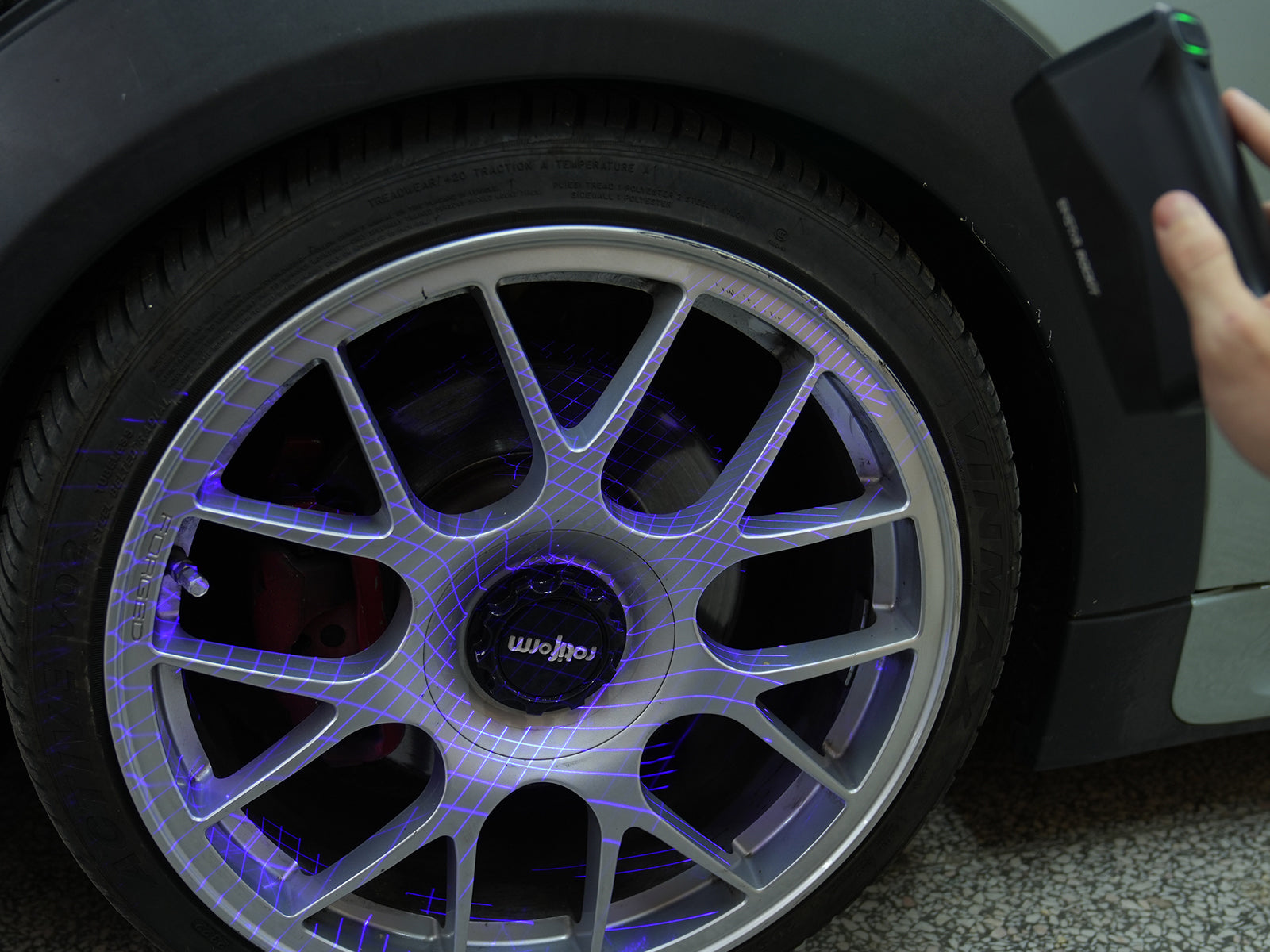
EINSTAR Rockit Review: Hands-On with the Wireless 3D Scanner
The promise of wireless 3D scanning is enticing: capture objects anywhere, untethered from a computer. The EINSTAR Rockit is one of the newer devices pushing this idea forward. We spent time with it to see how its features translate into real-world use for creators, hobbyists, and professionals.
First Look and Setup
Out of the box, the Rockit feels like a tool built for mobility. Weighing 425 grams, it's light enough for extended handheld use. The included carrying case, batteries, and calibration board mean you have everything needed to start scanning. Setup is straightforward: install the software, calibrate the device, and you're ready to go. The initial learning curve is minimal, which is a significant advantage for new users.

Core Technology: How the Dual-Light System Works
The scanner's versatility comes from its dual-light source system, a feature detailed on the official specifications page.
- Blue Laser Mode (HD): This mode uses multiple laser lines for high-detail capture. It's ideal for objects with fine geometry, sharp edges, or complex surfaces where precision is key.
- Infrared VCSEL Mode (Rapid): This mode is designed for speed and handling larger or more challenging surfaces. It performs better with dark objects and can cover a wider area faster, useful for scanning furniture or car interiors.
Being able to switch between these modes allows you to adapt to different projects, from scanning a detailed engine component to capturing the overall shape of a chair.
The Wireless Experience: Freedom and Practicality
The fully wireless design is the Rockit's standout feature. It connects to your laptop via its own Wi-Fi signal and is powered by a hot-swappable battery. In practice, this means you can walk around a motorcycle frame, a piece of sculpture, or a room corner without tripping over cables or hunting for a power outlet. This freedom genuinely changes the scanning workflow, making it more dynamic and less constrained.
Software and Workflow
The scanner is paired with dedicated PC software that handles data capture and processing. The interface provides real-time visual feedback, showing the mesh as it's built. This immediate feedback is crucial for identifying missed spots during the scan session. The software includes tools for aligning multiple scans, cleaning up noise, and exporting in common formats like STL and OBJ, ready for 3D printing or CAD work.
Performance with Different Materials
Like most 3D scanners, results vary with surface type. Matte, non-reflective objects yield the cleanest results. Very shiny or jet-black surfaces can be challenging, though the infrared mode improves performance here. For optimal results with difficult surfaces, applying a temporary matte spray is a common and effective practice. The scanner handles typical workshop or studio lighting well, adding to its practicality.
Who Is This Scanner For?
The EINSTAR Rockit finds its niche between Professional models and basic consumer models. It's well-suited for:
- Makers and Hobbyists: Digitizing models, creating parts for custom projects, or reverse-engineering objects for 3D printing.
- Designers and Prototypers: Quickly capturing physical forms to incorporate into digital designs or for fit-testing.
- Educators: Teaching concepts of 3D technology, reverse engineering, and digital documentation in a hands-on way.
- Small Business & Specialists: Professionals in automotive customization, heritage archiving, or prop-making who need a portable tool for on-site digitization.
Final Verdict
The EINSTAR Rockit successfully delivers on the core promise of wireless 3D scanning. It removes the physical constraint of cables and combines that freedom with a capable dual-scanning system. While it requires an understanding of its strengths and limitations with different materials, it offers a powerful and practical solution for a wide range of users who need to bridge the physical and digital worlds. If your projects involve regularly capturing objects from small components to medium-sized items, and you value portability, the Rockit is a compelling option to consider.
Share:
EINSTAR 2: Best Handheld 3D Scanner for Creators, Hobbyists And Home Use
EINSTAR Rockit: 3D Scanning for Auto Geeks & Aftermarket Pros