









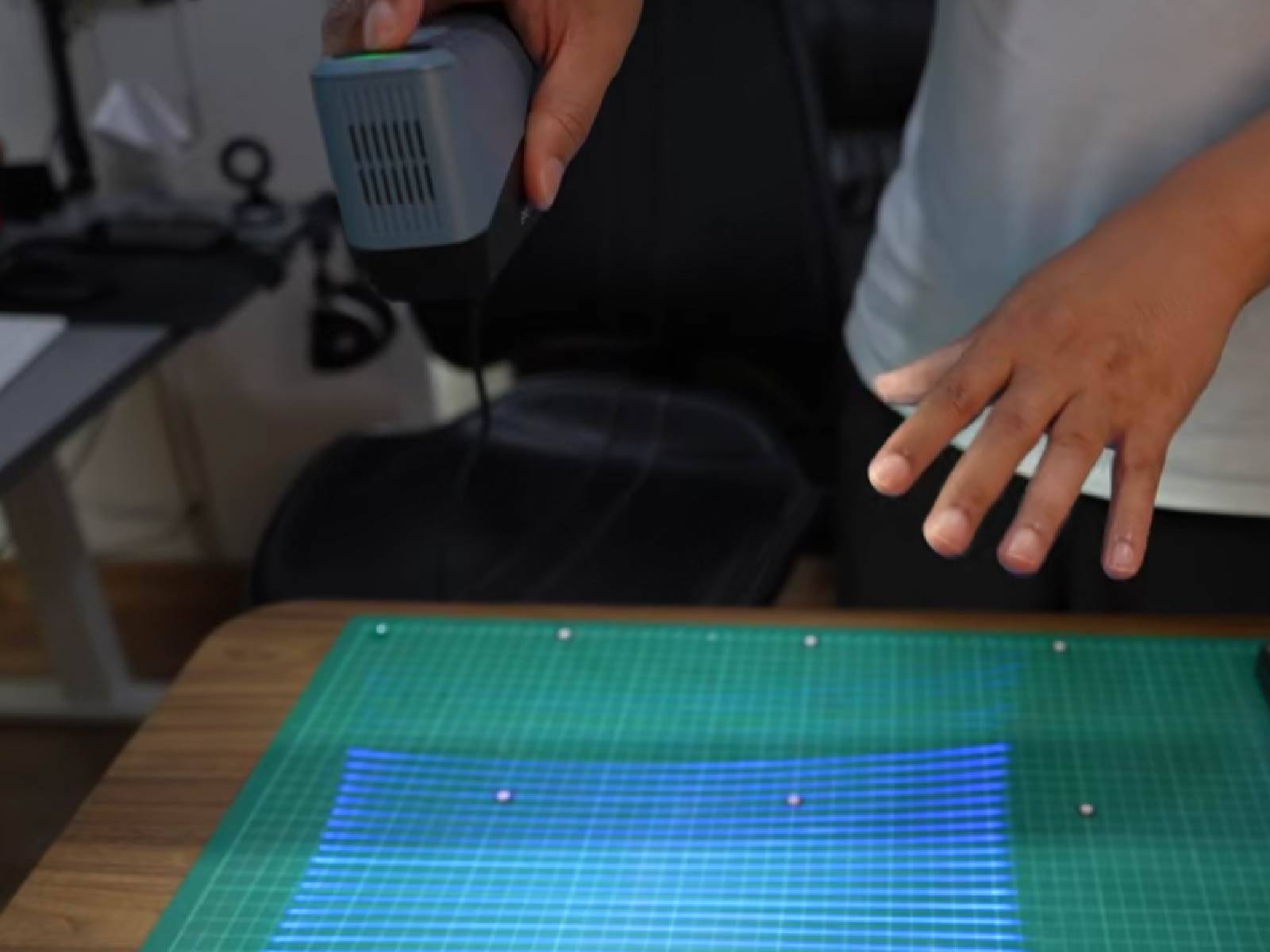
3D scanning is no longer limited to industrial labs or high-end engineering teams. Today, affordable 3D scanners have opened the door for hobbyists, creators, and small businesses to bring real-world objects into digital workflows.
But “cheap” doesn’t always mean “good value.” The real challenge is finding a scanner that balances price, performance, and usability—without constant frustration.
What Defines an Affordable 3D Scanner?
In today’s market, most budget-friendly 3D scanners fall under the $1,000 range. However, there’s a big difference between entry-level devices and true value-driven tools.
- Low-cost entry scanners often sacrifice stability and data quality
- Mid-range budget scanners begin to offer usable results
- High-value affordable scanners deliver consistent performance suitable for real projects
👉 The goal is not just to save money—but to get reliable scan data you can actually use.

Common Limitations of Cheap 3D Scanners
Many low-priced scanners struggle in real-world scenarios:
- Frequent tracking loss during scanning
- Incomplete or noisy data
- Difficulty scanning different object types
- Slow or complicated workflows
These issues often lead to more time spent fixing scans than actually using them.
What to Look for in a Budget 3D Scanner
To avoid these problems, focus on features that directly impact usability and results.
1. Reliable Data Quality
A good scanner should produce clean, consistent meshes that require minimal post-processing.
2. Fast and Stable Scanning
Speed matters—but stability matters more. Look for scanners that can capture data smoothly without constant interruptions.
3. Ease of Use
Beginner-friendly software, guided workflows, and real-time feedback make a major difference—especially if you're new to 3D scanning.
4. Versatility Across Applications
An ideal budget scanner should handle:
- Human scanning
- Medium-sized objects
- Small parts (with reasonable detail)
👉 Multi-mode capability adds significant value in this price range.
Why the EINSTAR 2 3D Scanner Stands Out
Among affordable options, the EINSTAR 2 strikes a strong balance between performance and price, making it one of the most practical choices for hobbyists and prosumers.
Key strengths include:
Dual-mode scanning
- IR Rapid mode for people and larger objects
- Laser HD mode for improved detail capture
Fast data acquisition
Up to 4.8 million points per second, enabling efficient workflows
High-quality data output
Produces clean meshes suitable for 3D printing and design
User-friendly experience
Designed to be approachable for beginners while still powerful enough for advanced users
Truly wireless
Freedom from cables & hubs
👉 Unlike many budget scanners, EINSTAR 2 focuses on real-world usability, not just impressive-looking specs.
Who Should Consider an Affordable 3D Scanner?
Budget 3D scanners are ideal for:
- 3D printing hobbyists creating custom parts
- Cosplay and prop makers
- DIY enthusiasts and makers
- Students and educators
- Small businesses working on prototyping
If your goal is to digitize objects quickly and affordably, this category offers excellent entry points.
Conclusion
Affordable 3D scanners have evolved rapidly, but choosing the right one still requires careful consideration. Instead of focusing only on price, prioritize data quality, ease of use, and versatility.
For users who want dependable performance without a high price tag, the EINSTAR 2 3D Scanner is a smart investment. It delivers the speed, flexibility, and data quality needed to turn ideas into real 3D models—without exceeding your budget.
Share:
How to Choose the Best Portable Handheld 3D Scanner for Your Needs
Best 3D Scanners for 3D Printing: How to Choose the Right Device