









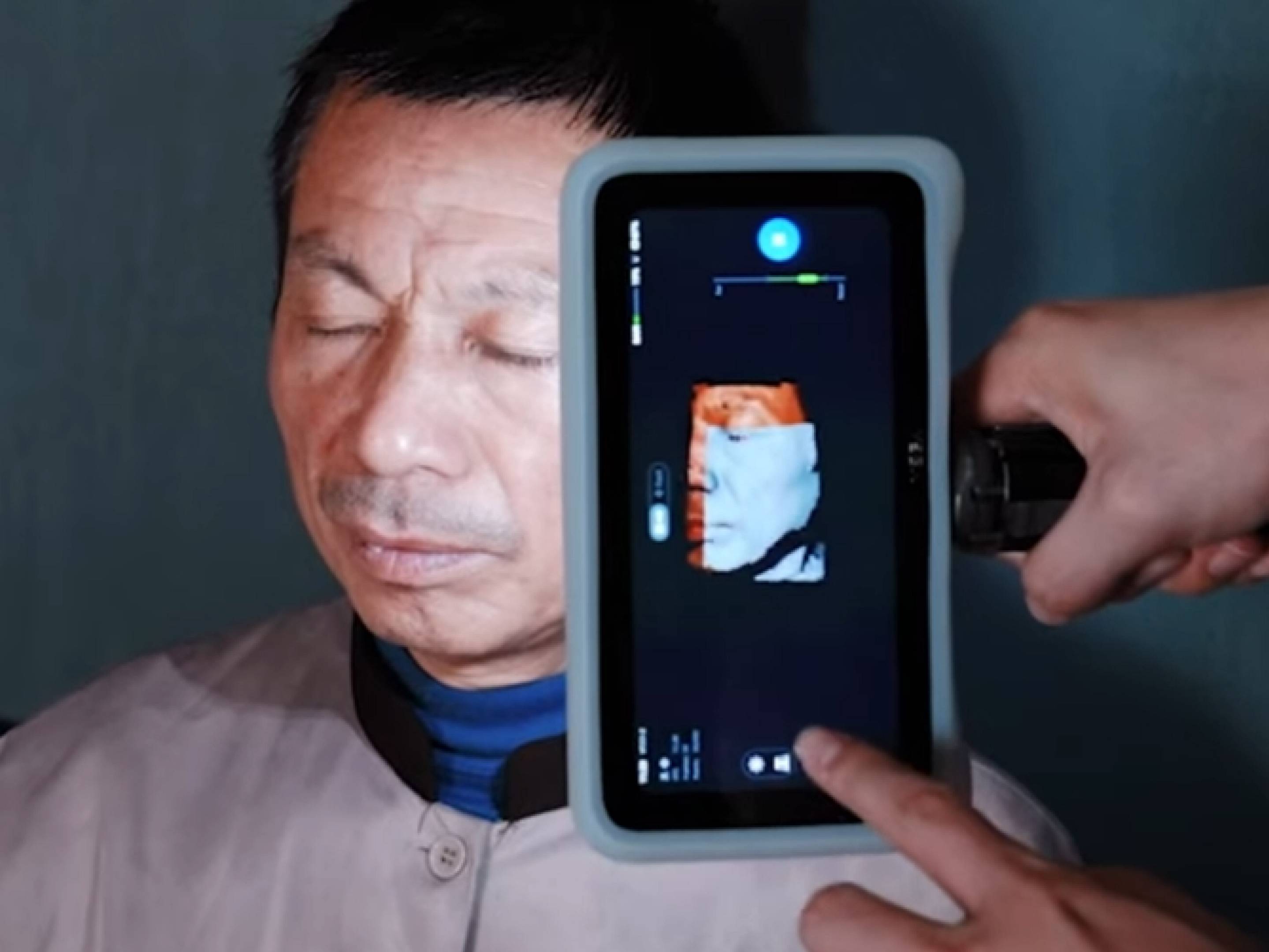
3D body scanning has quickly become an essential technology across industries like fashion, fitness, healthcare, gaming, and 3D printing. Whether you’re creating digital avatars, designing custom-fit clothing, or capturing realistic human models, achieving a high-quality full-body 3D scan requires the right combination of technique, environment, and equipment.
In this comprehensive guide, you’ll learn practical 3D body scanning tips, common mistakes to avoid, and how tools like EINSTAR VEGA can help you achieve professional-grade results—even if you’re just getting started.
What Is 3D Body Scanning and Why It Matters
3D body scanning is the process of capturing the shape, dimensions, and surface details of a human body and converting them into a digital 3D model. These models are widely used in:
- Custom apparel and tailoring
- Fitness tracking and body measurement analysis
- Virtual reality (VR) and gaming avatars
- Medical and ergonomic applications
- 3D printing and collectibles
As demand increases, so does the need for accurate, clean, and high-resolution scans—which makes mastering the scanning process more important than ever.
1. Create the Ideal 3D Scanning Environment
Your scanning environment directly impacts the final output quality.
Lighting Setup
Good lighting is critical for accurate data capture:
- Use soft, diffused lighting to reduce shadows
- Ensure consistent lighting across the entire human body
Background Selection
- Choose a neutral, non-reflective background
- Avoid clutter or moving objects behind the human body
Space Requirements
- Make sure you have enough room to move freely around the human body
- Remove obstacles that could interrupt scanning motion
A well-prepared environment reduces noise and improves tracking stability.
2. Prepare the Subject for Best Results
Subject preparation is one of the most overlooked aspects of high-quality 3D body scanning.
Clothing Tips
- Wear tight-fitting clothes to preserve body shape accuracy
- Avoid reflective, shiny, or transparent materials
- Choose matte textures whenever possible
Hair and Accessories
- Tie up long hair to prevent scanning interference
- Remove accessories like jewelry or glasses if not needed
Best Pose for 3D Body Scanning
- Use a relaxed A-pose (arms slightly away from the body)
- Keep legs slightly apart for better inner-leg capture
Proper preparation ensures cleaner geometry and fewer post-processing corrections.
3. Master the Scanning Technique
Even with a high-end device, poor technique can lead to unusable results.
Movement Guidelines
- Move slowly and steadily around the human
- Maintain a consistent distance from the scanner
- Avoid sudden or jerky movements
Scanning Strategy
- Start from the front face and move in a full circle
- Capture the body from multiple angles
- Keep motion continuous to avoid tracking loss
With EINSTAR VEGA, real-time feedback helps users maintain optimal tracking, making it easier to follow correct scanning paths.

4. Ensure Complete Coverage and Data Overlap
One of the most common issues in 3D body scanning is incomplete data.
Focus on Hard-to-Reach Areas
- Underarms
- Inner thighs
- Neck and shoulders
- Back and lower legs
Use Overlapping Passes
Overlap ensures the software can properly align and merge scan data. Without it, you may end up with holes or distortions in the model.
Taking extra time to capture these areas will significantly improve the final output.
5. Choose the Right 3D Scanner for Body Scanning
Not all scanners are designed for full-body capture. Choosing the right device can dramatically improve your workflow and results.
Why EINSTAR VEGA Is Ideal for Full-Body Scanning
- All-in-one standalone system
No external PC required, making it highly portable and convenient - Fast scanning speed
Capture full-body data quickly, reducing human fatigue - Stable tracking performance
Maintains stable tracking even on low-feature surfaces like clothing or skin - Pretty data detail
Suitable for professional applications such as digital humans and custom products - User-friendly interface
Easy for beginners while still powerful enough for advanced users
These features make it one of the best 3D scanners for human body scanning in its category.
6. Minimize Motion During Scanning
Human movement is one of the biggest challenges in full-body scanning.
Tips to Reduce Motion Errors
- Ask the person which scanned to remain as still as possible
- Keep scan time short and efficient
- Encourage relaxed breathing or brief breath holds
Using a fast and stable device like EINSTAR VEGA helps minimize the impact of small movements.
7. Optimize Post-Processing for Professional Results
Scanning is only part of the process—post-processing is where your model becomes usable.
Key Post-Processing Steps
- Remove noise and unwanted artifacts
- Fill holes in missing areas
- Smooth surfaces and refine details
- Optimize mesh resolution based on application
Many modern scanners, including EINSTAR VEGA, offer integrated software tools that simplify editing and improve efficiency.
8. Common 3D Body Scanning Mistakes to Avoid
Understanding common issues can save time and improve results.
Frequent Problems and Solutions
- Tracking loss: Move slower and maintain consistent distance, come back to the original position to resume tracking.
- Incomplete scans: Improve coverage and overlap
- Surface noise: Adjust lighting conditions and resolution
- Distorted models: Reduce the person movement
By addressing these issues early, you can significantly improve scan quality.
9. Practice and Continuous Improvement
Like any technical skill, 3D body scanning improves with experience.
- Test different environments and lighting setups
- Experiment with scanning speed and angles
- Review your scans and identify areas for improvement
Over time, you’ll develop a workflow that consistently delivers high-quality results.
Final Thoughts
Achieving high-quality full-body 3D scans requires a balance of preparation, technique, and technology. By optimizing your environment, guiding your subject correctly, and refining your scanning process, you can dramatically improve your outcomes.
Most importantly, using a reliable and advanced tool like EINSTAR VEGA allows you to work more efficiently while maintaining high data quality and detail.
Whether you’re a beginner exploring 3D scanning or a professional looking to enhance your workflow, these practical tips will help you produce cleaner, more precise, and more usable 3D body models.
Share:
Handheld 3D Scanners Explained: How They Work and What to Look for Before Buying
Praktische 3D-Scan-Anwendungen in verschiedenen Branchen