









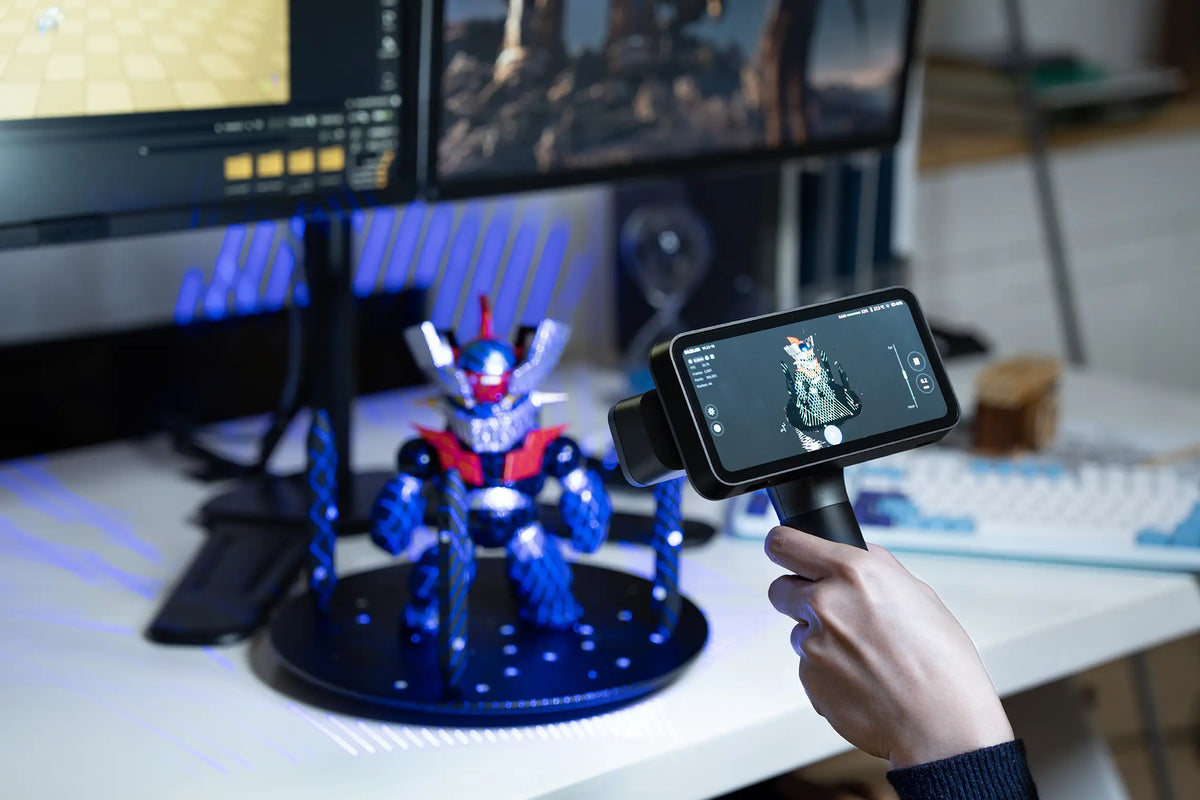
Traditional foot measurement methods often rely on rulers, Brannock devices, foam impressions, or manual tracing. While useful, these approaches can miss subtle variations in foot geometry that influence comfort, fit, and performance. As footwear brands, orthotics providers, and clinics increasingly adopt digital workflows, the demand for precise foot data continues to grow. A 3D foot scanner addresses this need by capturing the shape and dimensions of the foot in a digital format, making foot scanning a valuable tool for modern footwear sizing, custom footwear design, and digital foot measurement.
What Is a 3D Foot Scanner: Technology, Data, and Accuracy vs. Manual Measuring
A 3D foot scanner is a device that captures the physical shape of a foot and converts it into a digital foot model. Instead of recording only length and width, it collects thousands of data points across the entire foot surface to create detailed scan data.
In simple terms, a 3D foot scanner provides:
- A complete digital representation of foot geometry
- Precise dimensional measurements
- Surface contours and volume information
- Data suitable for design and manufacturing workflows
Compared with manual measuring methods, digital foot measurement offers a more comprehensive understanding of foot shape. Traditional tools may identify basic sizing information, but they often cannot fully represent arch profiles, asymmetry between feet, toe positioning, or localized pressure-related shape variations.
The resulting scan data is typically exported as formats such as STL, OBJ, or PLY. These files can then be used in footwear development, orthotic design, and fit optimization workflows. Rather than replacing professional expertise, foot scanning technology gives designers, clinicians, and product developers a more accurate foundation for decision-making.
Core Applications: Footwear Design, Orthotics, and Fit Optimization
Bespoke Footwear Development and Retail Sizing
One of the most common applications of foot scanning is custom footwear design. Designers can use a digital foot model to understand foot dimensions beyond standard sizing charts and develop products that better match real user anatomy.
For bespoke footwear, scan data helps create lasts and design references that reflect the customer's actual foot shape. In retail environments, digital foot measurement can support footwear sizing recommendations by identifying differences that may not be obvious through traditional fitting methods.
The result is a more informed development process, reduced reliance on physical fitting sessions, and improved confidence in fit decisions.
Clinical Podiatry and Custom Orthotic Insoles
In podiatry and orthotic design, accurate foot shape information is essential. A digital scan captures anatomical details that can support the creation of custom orthotics and custom insoles tailored to individual needs.
Clinicians often evaluate foot posture, arch structure, and weight-bearing characteristics before developing orthotic solutions. Rather than relying solely on physical impressions, foot scanning technology provides a reusable digital record that can be reviewed, modified, and integrated into downstream design processes.
The ability to maintain consistent digital records also supports collaboration between clinics, laboratories, and manufacturing partners.
Advanced Foot Shape Analysis for Ergonomic Fit
Foot shape analysis extends beyond sizing. Modern footwear products increasingly focus on ergonomic fit, comfort, and long-term wearability.
By examining scan data, designers can identify:
- Forefoot width variations
- Arch height differences
- Heel geometry
- Toe alignment
- Left-right asymmetry
This information helps teams make more informed decisions during footwear development. Instead of designing around generalized assumptions, products can be optimized around real foot characteristics. For brands seeking improved fit optimization, digital analysis offers valuable insight throughout the design cycle.
The Complete 3D Foot Scanning to Digital Design Workflow
Capturing Accurate Foot Geometry and Posture
The workflow begins with data capture. During foot scanning, the goal is to record the foot's surface geometry while preserving relevant posture information.
Depending on the application, scans may be performed in weight-bearing or non-weight-bearing positions. Weight-bearing scans often reveal how the foot behaves under load, while non-weight-bearing scans may be useful for specific orthotic or design assessments.
Accurate capture is important because every downstream design decision depends on the quality of the initial digital model.
Processing Mesh Data for CAD Software
After scanning, the system generates mesh data representing the foot surface. This digital model becomes the foundation for CAD workflow integration.
The scan file may be cleaned, aligned, and prepared for design environments that support footwear development or orthotic manufacturing. Common file formats include STL, OBJ, and PLY.
At this stage, teams can analyze dimensions, evaluate foot geometry, and create design references. The digital model serves as a bridge between physical anatomy and digital product development, helping designers work from measurable data rather than estimates.
Orthotic Design and Fit Validation
Once scan data enters the design phase, it can support the creation of custom orthotics, insoles, or footwear components.
The typical workflow follows:
Scan → Digital Foot Model → CAD Workflow → Orthotic or Footwear Design → Fit Validation
Fit validation remains a critical step. Designers and clinicians review whether the proposed design aligns with the captured anatomy and intended use case. Because the process begins with detailed foot measurement technology, adjustments can be based on objective geometry rather than repeated trial-and-error modifications.
Evaluating 3D Foot Scanning Equipment
Selecting a scanning solution depends on the intended workflow, operating environment, and required output quality.
| Device Type | Portability | Mesh Accuracy | CAD Integration | Capital Cost |
|---|---|---|---|---|
| Handheld 3D Scanners | High | High | Strong | Moderate |
| Stationary Kiosks | Low | High | Strong | High |
| Smartphone Apps | Very High | Moderate | Limited to Moderate | Low |
Handheld 3D scanners are often favored when flexibility is important. They can be used in clinics, design studios, retail locations, and field environments while still producing scan data suitable for digital workflows.
Stationary kiosks are commonly used in dedicated scanning environments where consistency and repeatable positioning are priorities.
Smartphone-based solutions provide accessibility and convenience, though the resulting digital models may not always meet the requirements of advanced orthotic design or professional footwear development workflows.
Portable and Flexible Foot Capture with EINSTAR
As digital measurement becomes more common across footwear and orthotics industries, portability has become an increasingly important consideration. Designers, clinicians, and product developers often need to capture scan data in different environments rather than relying on a fixed scanning station.
This is where handheld 3D scanners can provide practical advantages. A portable device allows users to bring the scanning process closer to the customer, patient, or product development team while maintaining a digital workflow.
Within the EINSTAR ecosystem, products such as the EINSTAR VEGA support mobile 3D data acquisition and can fit naturally into workflows that require flexible capture and digital model creation. For organizations exploring foot scanning technology, handheld solutions can help streamline the transition from physical measurement methods to data-driven footwear development and orthotic design processes.
Conclusion
A 3D foot scanner enables a more complete understanding of foot geometry than traditional measuring methods by creating detailed digital models that support footwear sizing, custom footwear design, and orthotic development. From foot scanning and mesh generation to CAD-based design and fit validation, digital workflows help improve efficiency and decision-making across the footwear and podiatry industries.
As demand for accurate digital foot measurement grows, portable handheld solutions such as EINSTAR VEGA can play a practical role in supporting flexible, data-driven foot capture and design workflows.
Ready to bring foot scanning into your digital workflow?
Discover EINSTAR VEGAFAQ
1. How do 3D foot scanners handle dark surfaces or reflective skin tones during capture?
Performance depends on the scanning technology and capture conditions. Proper lighting, stable positioning, and optimized scanner settings typically help improve data quality when scanning darker or reflective surfaces.
2. What software is typically used to convert foot scan meshes into orthotic design files?
Many orthotic workflows use specialized CAD and orthotic design platforms that import STL, OBJ, or PLY files. The specific software varies by clinic, laboratory, and manufacturing process.
3. Is a handheld 3D scanner capable of capturing both weight-bearing and non-weight-bearing postures?
Yes. Handheld 3D scanners can generally capture feet in different positions, allowing clinicians and designers to evaluate anatomical changes that occur under load and during relaxed postures.
Share:
What Is Photogrammetry? Everything You Need to Know